

FREE UK and US shipping | Get the ebook free with your print copy when you select the "bundle" option | T&Cs apply
How to Nurture Your Brand Community
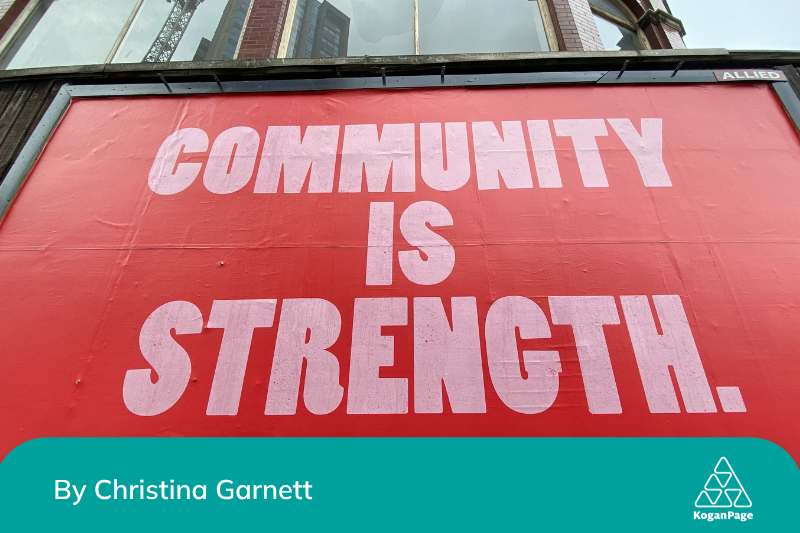
This is an edited excerpt from Transforming Customer-Brand Relationships.
Desired Community Member Behaviours
You’ve determined who you want the community to be for and have hopefully done careful research and social listening to understand their needs, pain points, and desired experience. Now, what would you want them to do if they joined the community?
Obviously there will be some members who will be less engaged. You may label these members as lurkers or learners: members who are in the community but do not post or directly engage with others in the community. There is a natural tendency to see lurkers as a bad thing, but this way of thinking can make it easier to fall into the trap of seeing these community member relationships as transactional.
Lurkers in a community represent a significant and often underappreciated source of potential. While they might not be actively posting or engaging in discussions, they bring value simply by observing, consuming, and sharing interest in the content. Lurkers are often in the early stages of engagement; they’re learning the community culture, forming connections with its content, and building trust. Rather than viewing them as inactive members, it’s more accurate to see them as thoughtful participants who are preparing for future involvement.
Creating an environment that gently encourages lurkers to engage can unlock this potential. By fostering a welcoming atmosphere with low-pressure opportunities for participation, communities make it easier for lurkers to take that first step. Small gestures, such as quick polls, simple questions, or visible success stories within the community, show lurkers that engagement is positive and accessible. For many, the choice to participate comes down to feeling safe and valued—knowing that their contributions, however small, will be respected and appreciated.
When communities invest in inclusivity and provide clear pathways for lurkers to engage, they’re nurturing a reserve of untapped insights, perspectives, and support. Over time, lurkers who feel welcomed and understood often transition into active contributors, bringing fresh energy and ideas to the community. In this way, lurkers are not passive but rather are vital members who represent future growth and depth, making their journey from observation to engagement a key focus for any thriving community.
When considering what behaviors you want members to exhibit once they join the community, also remember to think about their experience as they join, return, and engage. Is there friction when it comes to do any of these behaviors? Is there a way to incentivize these behaviors or make them easier to do?
When you’re building a community, understanding the behaviors you want to encourage is crucial for its long-term success. Here, we’ll break down each key area and explain why these questions matter and how they can shape a thriving, engaged community.
Participation
Understanding how often members prefer to engage helps set expectations and maintain a steady flow of activity. A balance between frequent participation and member availability ensures discussions and events feel dynamic without overwhelming participants.
Clarifying what types of contributions add value—such as thoughtful discussions, resource sharing, or event participation—helps members understand how they can meaningfully contribute. When members see the impact of their involvement, they are more likely to stay engaged.
Identifying key moments for increased participation, like special events or initiatives, allows for strategic planning that maximizes engagement. Creating excitement around these moments encourages members to show up and contribute when it matters most.
Recognizing and rewarding participation, whether through shout-outs, badges, or exclusive opportunities, fosters a culture of appreciation. When members feel valued, they are more likely to stay active and invested in the community.
Collaboration
Encouraging collaborative projects strengthens community bonds by fostering teamwork and a shared sense of purpose. Planning structured initiatives ensures meaningful engagement and provides opportunities for members to contribute in impactful ways.
Selecting the right tools and platforms for collaboration enhances efficiency and participation. Whether it’s communication apps, project management tools, or shared workspaces, having seamless systems in place makes working together more effective.
Facilitating connections between members through networking events, collaboration forums, or directories helps spark meaningful partnerships. When members can easily find and connect with like-minded collaborators, the community becomes more dynamic and interconnected.
Recognizing and rewarding successful collaborations through incentives like awards, public acknowledgments, or exclusive opportunities encourages continued participation.
Knowledge Sharing
Encouraging members to share their expertise fosters a culture of learning and collaboration. Providing structured ways to share knowledge—such as tutorials, articles, or webinars—ensures valuable insights are accessible to all.
Establishing dedicated channels for resource sharing, like forums, libraries, or regular knowledge-sharing sessions, makes it easy for members to contribute and benefit from each other’s expertise. These mechanisms enhance the community’s value and create an environment of continuous learning and support.
Positive Communication
Establishing clear communication guidelines fosters respectful and constructive interactions, creating a welcoming space where members feel safe to express themselves. Clear expectations help prevent conflicts and set a positive tone for engagement.
Having a structured approach to conflict resolution ensures that issues are handled fairly and promptly, reinforcing the community’s commitment to harmony and member well-being.
Encouraging considerate language and tone promotes inclusivity and respect, ensuring that all members feel valued and heard.
Actively promoting inclusivity and diversity in communication strengthens the sense of belonging for all members. Using inclusive language, celebrating diverse perspectives, and ensuring representation in discussions contribute to a more equitable and engaging community.
Problem-Solving
Ensuring the community has clear processes for addressing challenges reassures members that their concerns will be handled effectively. A structured approach fosters a proactive and resilient environment where issues can be resolved efficiently.
Having designated channels for reporting problems streamlines issue resolution and keeps the community running smoothly. Clear communication around these processes helps maintain transparency and trust.
Providing problem-solving resources—such as expert access, troubleshooting guides, or peer support—empowers members to tackle challenges confidently. Equipping the community with the right tools fosters self-sufficiency and collaboration.
Celebrating successful problem-solving efforts reinforces a culture of resilience and innovation. Recognizing these achievements encourages members to engage actively in finding solutions and supporting one another.
Mentorship
Establishing a formal mentorship program provides structured support for newcomers while fostering knowledge-sharing and growth within the community. It helps integrate new members and ensures they have guidance from experienced peers.
Creating clear pathways for experienced members to offer mentorship encourages active participation and strengthens community bonds. Providing designated spaces or programs for mentorship enhances accessibility and engagement.
Offering resources such as training materials, guidelines, or regular check-ins ensures both mentors and mentees have the tools they need to succeed. Structured support helps make mentorship effective and rewarding.
Recognizing and appreciating mentorship efforts motivates experienced members to contribute and reinforces a culture of learning. Public acknowledgment, rewards, or special roles can further encourage participation, enriching the community experience.
Determining Desired Behaviors
Establishing clear and concise community guidelines sets expectations for behavior and fosters a respectful, organized environment. Well-defined rules provide a foundation for positive interactions and help prevent misunderstandings.
Outlining expected behaviors ensures all members are aware of community standards, promoting a culture of respect and inclusivity. Clear guidelines contribute to maintaining a welcoming and supportive space for everyone.
Feedback Mechanisms
Collecting feedback from community members is essential for continuous improvement. Surveys, feedback forms, and discussions provide valuable insights that help shape a better experience for everyone.
Regular opportunities for feedback ensure that community needs and concerns are consistently addressed. A proactive approach allows for timely adjustments, fostering a responsive and evolving community.
Recognition and Rewards
Recognizing and rewarding positive behaviors encourages members to contribute in meaningful ways, reinforcing a strong and supportive community culture. Acknowledgment can range from public recognition to tangible rewards that motivate continued engagement.
Implementing systems like badges, awards, or other forms of recognition provides clear incentives for participation. These initiatives foster appreciation, inspire excellence, and create a sense of achievement within the community.
Community Leaders’ Example
Community leaders play a crucial role in setting the standard for behavior. By actively participating, collaborating, and sharing knowledge, they inspire others and help cultivate a positive and engaged culture.
When leaders are visibly involved, it encourages members to follow their example. Their contributions elevate discussions, foster meaningful interactions, and reinforce a strong, supportive community environment.
Training and Resources
Providing training sessions and resources helps members understand and adopt behaviors that strengthen the community. Workshops, online courses, or written guides can offer valuable insights and set clear expectations.
Ensuring these resources are easily accessible encourages ongoing learning and deeper engagement. When members can conveniently access guidance, they are better equipped to contribute meaningfully and positively to the community.
Communication and Reinforcement
Clearly communicating desired behaviors ensures that all members understand expectations. This can be done through onboarding materials, regular updates, and announcements that reinforce community values.
Ongoing reinforcement via newsletters, announcements, or community updates helps keep these behaviors top of mind. Consistently reminding members of expectations fosters a positive and engaged community culture over time.
Save 30% on Transforming Customer-Brand Relationships with code AMS30.